Est. MMXXV · Stroboscopic Entrainment

Your mind,
refined.

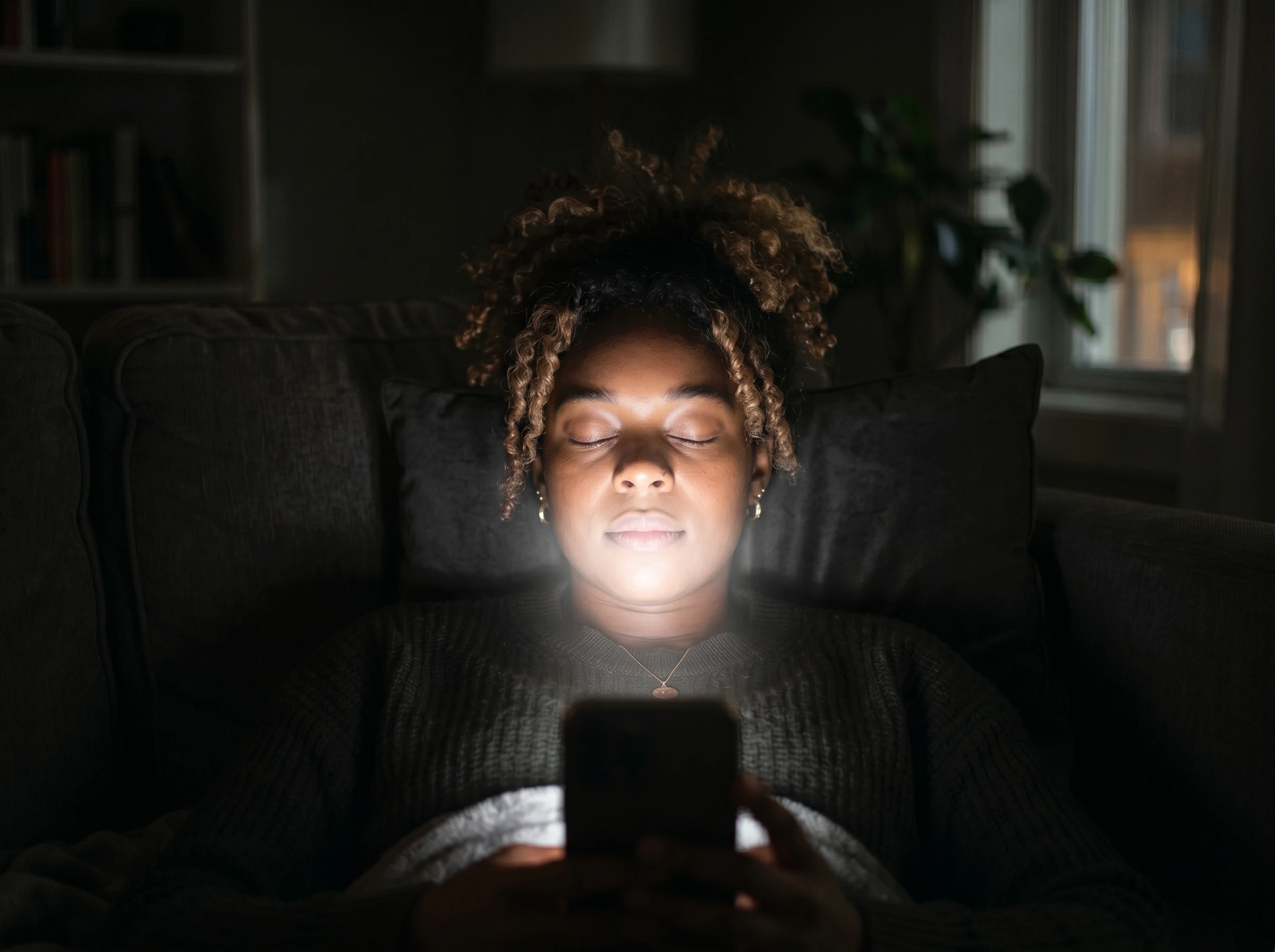
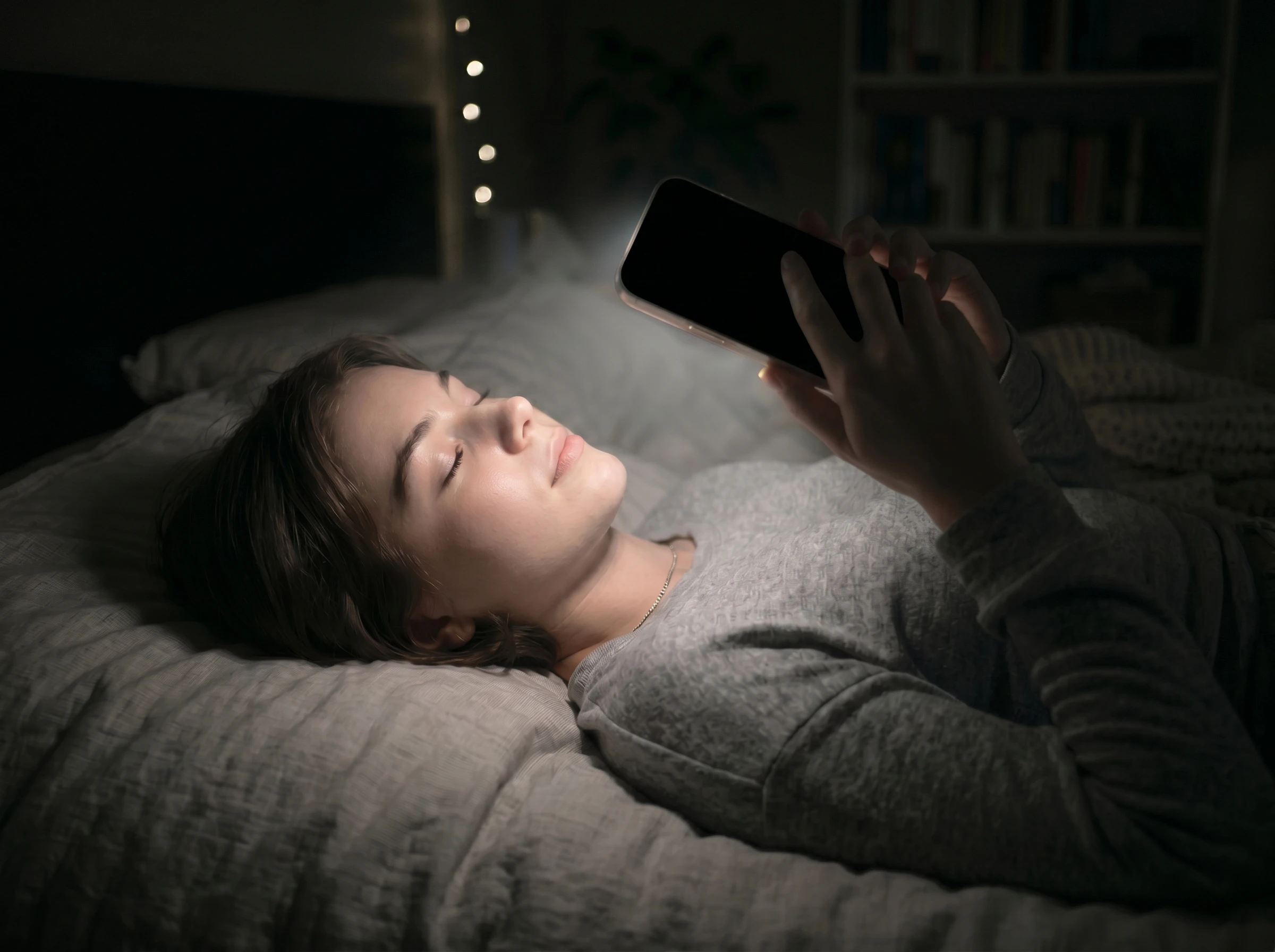
Strobia uses precise flickering light sequences to gently synchronise your brainwaves, guiding you into deeply meditative, sometimes semi-psychedelic states. Close your eyes; the brain does what it has always done, falling into rhythm with what it sees.

LIVE · α 10.00 Hz
THETA · 4.00–7.00 Hz
DELTA · 0.50–3.50 Hz
LOW BETA · 12.00–15.00 Hz
Findings · 01

JOHNSON ET AL. (2024)
Scientific Reports · Nature Portfolio
n = 48 · randomized controlled

Five minutes of audiovisual stimulation produced reductions in stress and rumination equivalent to eleven-to-twenty-two minutes of silent meditation.

EFFECT SIZE · d = 0.81
PROTOCOL · 10 Hz · 5 min
CONDITION · eyes closed
The practice

A room, dimmed.
A phone, steady.
The rest is light.

No headset. No clinic. The instrument is the phone already in your hand. Strobia paces the light at known brainwave frequencies and lets the visual system do what it has always done — fall into rhythm with what it sees.

The Engine

Six controls.
One signal.

01
Frequency cap
Limit
Above twenty-five hertz the cortex stops phase-locking and photosensitive risk rises. The engine refuses.
Hard cap
no override
25HZ
02
Photosensitive guard
Suppression
The 18 to 22 Hz band is most implicated in seizure events. Intensity attenuates automatically inside it.
18 – 22 Hz
auto-attenuate
22HZ MAX
03
Acclimation
Onboarding
First three sessions are held at seventy percent. The visual system learns the signal at lower amplitude before full range unlocks.
Sessions 1–3
auto-lift
70%
04
Duty cycle
Waveform
Fifty percent on, fifty percent off. The square wave that produces the strongest cortical following response.
Symmetric
square wave
50%
05
Transition rate
Pacing
Frequency moves no faster than three-tenths of a hertz per second. Smooth descents preserve the entrainment lock.
Maximum
no abrupt jumps
0.3HZ/S
06
Entrainment plateau
Timing
Each frequency target holds for at least sixty seconds. The cortex needs the time to phase-lock before the next move.
Minimum dwell
per band
60SEC
Every value above is enforced by the engine, not advisory. Ranges grounded in photic-driving and broadcast-flicker safety literature.
A practical note

Before you begin.

  1. 01Find a comfortable, dim space. Sit or recline with your head supported.
  2. 02Hold the phone 5–10 cm from your closed eyes, torch facing you.
  3. 03Use headphones. Audio cues prepare the mind and keep you oriented.
  4. 04Do not use if you have a history of photosensitive epilepsy.
Light, refined.

Close your eyes.

Strobia is available on iPhone. Five minutes tonight, and tell us what you see.

Download on the
App Store
iOS 17+ · iPhone only · Free trial